of Americans say it is extremely or very important to tell whether pictures, videos, and text were made by AI or people.
Pew Research Center, 2025Deepfakes are driving fraud and misinformation.
Spot the Fakes teaches people how to check suspicious media and brings free educational materials into schools, libraries, and community spaces.
Learn to trace a source, check a watermark, and verify who is contacting you. Then put those skills to the test.
Request a free kit for your community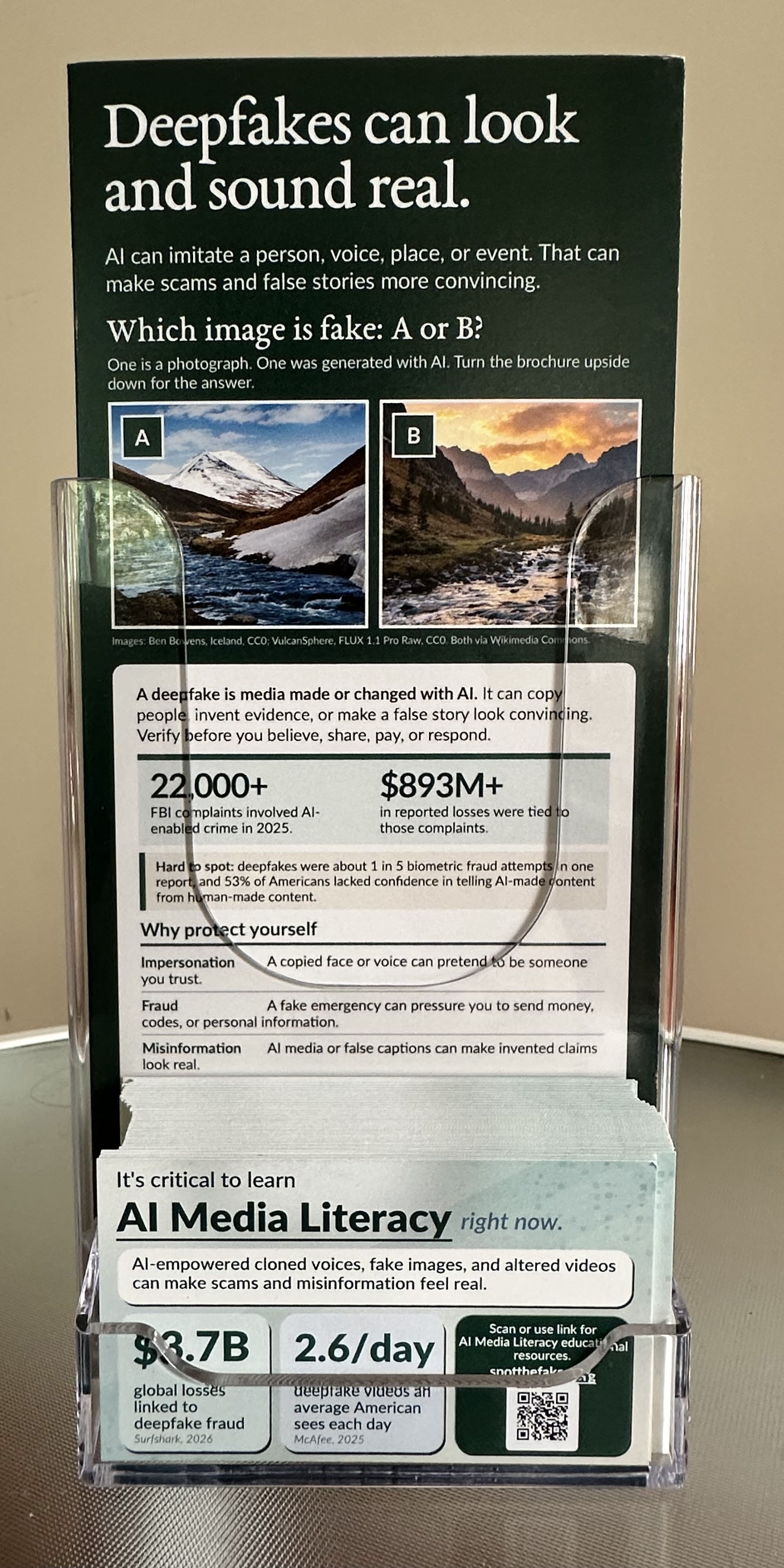
The public wants to identify AI. Many lack confidence.
of Americans are not too or not at all confident they can detect whether something was made by AI or by a person.
Pew Research Center, 2025of American social media users say spotting AI-generated content such as fake news and scams is difficult.
McAfee survey, 2024Learn to use the tools that already exist.
Spot the Fakes shows you how to trace an image’s source, check for AI watermarks with SynthID and OpenAI Verify, read a file’s creation history with Content Credentials, and use deepfake detectors. Our guides explain each check with instructions and examples.
How misleading media spreads
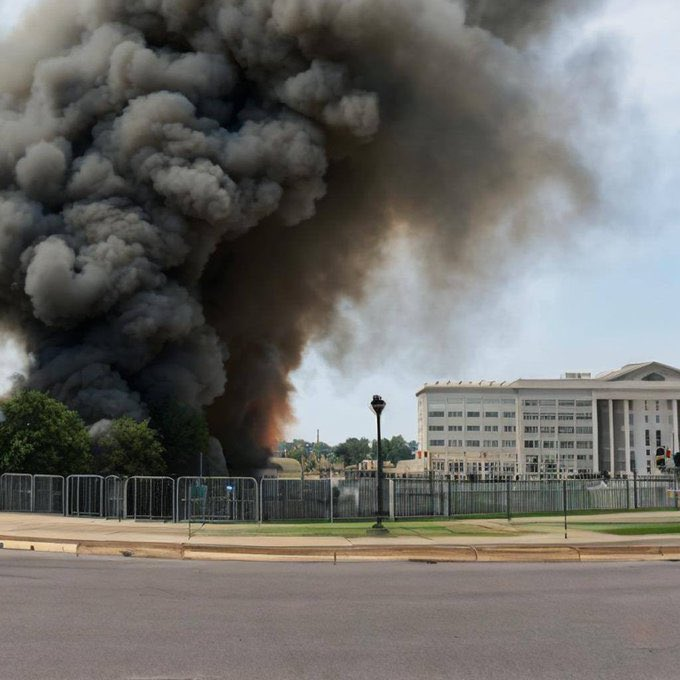
A fabricated image can become breaking news.
Posts claimed an explosion had occurred near the Pentagon. Officials confirmed there was no explosion. Check the original source and independent reporting before sharing.
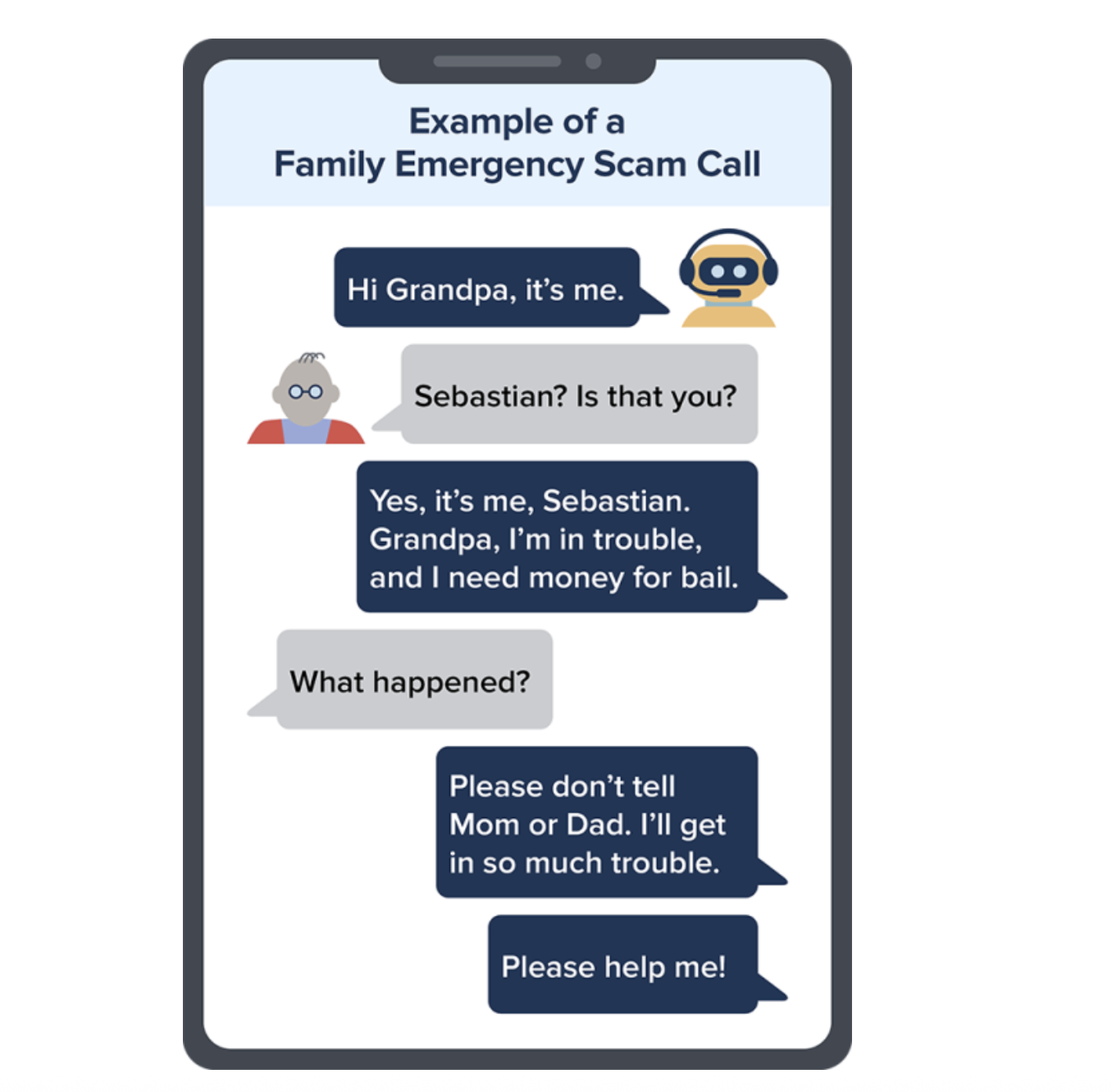
A familiar voice can be copied.
The FTC warns that scammers can clone a relative’s voice from a short recording and invent an urgent family emergency. Call the person back on a number you already know before sending money.

An old photograph can carry a new, false story.
This photograph was reposted as Hurricane Helene damage in 2024. It actually shows flooding in 2009. A reverse-image search can help find earlier uses and the original date.
Free materials for schools, libraries, and community spaces
Give visitors a guide they can take home. The brochure explains how to check suspicious media; the informational card summarizes the checks and links to the website.
Each approved kit includes 100 Z-fold brochures, 100 informational cards, and one acrylic cardholder. Approved locations receive the kit free of charge.
Request a free printed kitDid you learn anything new?
Tell us whether the quiz or materials helped you.
No name or email address is collected. One browser can revise its response without creating duplicates.